
The moose TV hit becomes research
Why are hundreds of thousands of viewers sitting and waiting for moose in a live broadcast? That is what Annette Hill, Professor of Media and Communication Studies at Jönköping University (JU), will now explore in a new pilot study on slow TV and audiences’ experiences of slow-paced nature broadcasting.
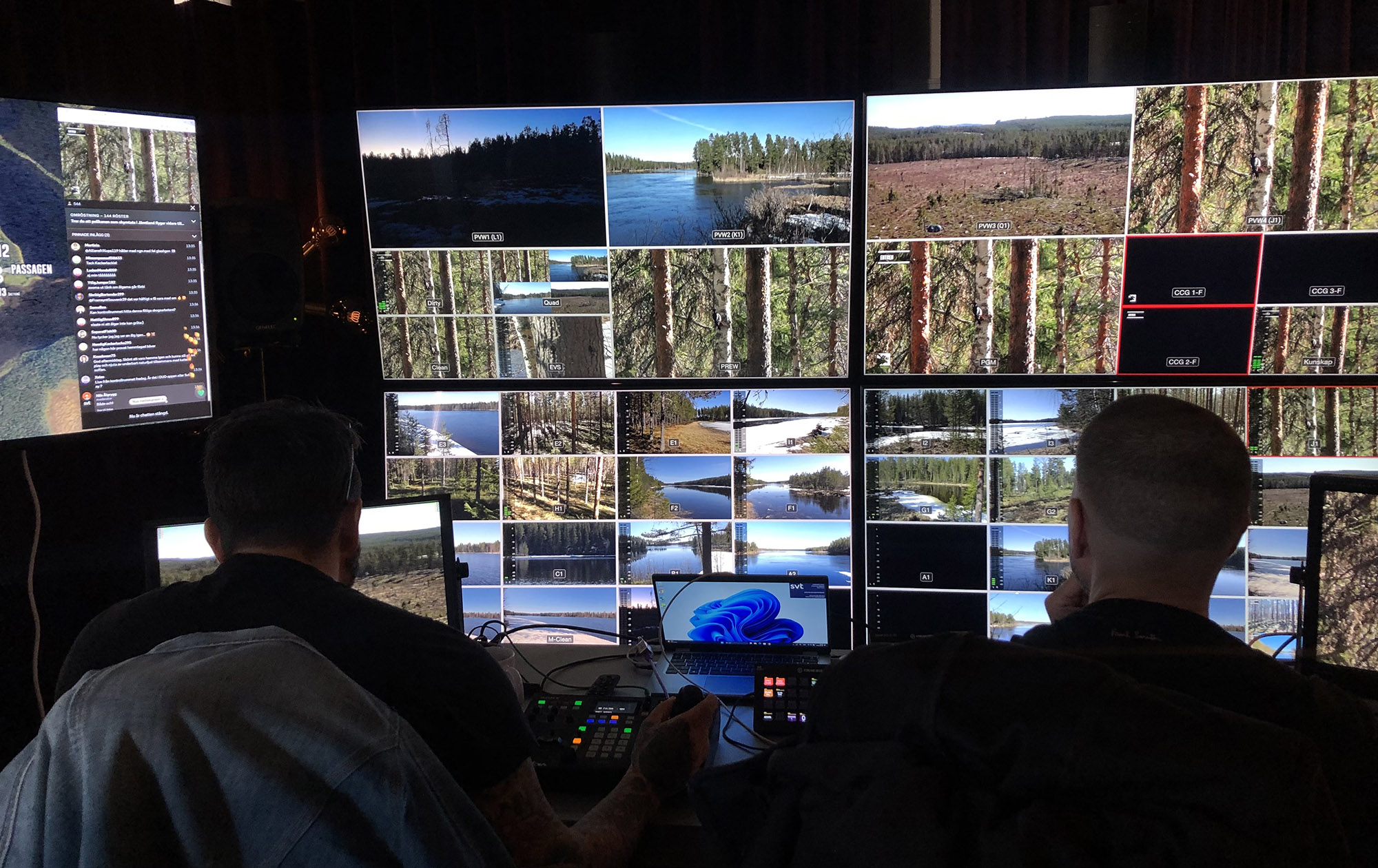
The control room for The Great Moose Migration. Photo: Annette Hill
At a time characterised by rapidly produced media content, artificial intelligence and deep fakes, interest in slow TV is growing. Slow TV, with its long, uninterrupted live broadcasts from places such as the natural environment, offers an alternative that emphasises presence and authenticity – where patience is part of the experience. SVT’s The Great Moose Migration is a clear example of how public service media can create space for calm, reality-based experiences.
The study is conducted by Annette Hill, Professor of Media and Communication Studies at the School of Education and Communication at JU. She will focus on what makes these long broadcasts from the wilderness so engaging for international audiences. Through interviews with the production team and on-site observations during the live broadcast, she will examine how pace, sound, landscape and framing contribute to a sense of authenticity and presence. Waiting – sometimes for hours – for moose to appear becomes a central part of the experience.
“SVT make one of the biggest slow nature TV broadcasts in the world. It’s a unique chance to explore the craft behind the camera and to learn from audiences outside of Sweden what makes them tune in to moose on the move” says Annette Hill.
The audience perspective is important
The audience perspective is an important part of the research. Annette Hill will interview viewers in Northern Europe and Canada. These interviews will provide a deeper understanding of why people choose to follow the broadcast year after year, what they experience emotionally, how they describe the atmosphere of the programme, and what motivates them to return to this type of live broadcast.
By combining both production and audience perspectives, Annette Hill hopes the study will contribute to a greater understanding of slow TV. The ambition is to highlight the significance of the format within the public service remit. There is also hope that the results will shed light on how slow, live media can strengthen the relationship between humans and nature and serve as a counterbalance to a media landscape in which more and more content is perceived as technologically produced and distanced from reality.
“We are very keen to understand how viewers appreciate the Swedish moose. What is it about this programme that attracts an audience outside Sweden? What is it that people find so fascinating?” says Johan Erhag, producer at SVT.
Last year during The Great Moose Migration Annette Hill participated as an expert in several major international media outlets about the phenomenon of slow TV.
“Sometimes stories find you. I wonder why is this type of slow, live nature experience engaging such a broad audience?”, says Annette Hill.
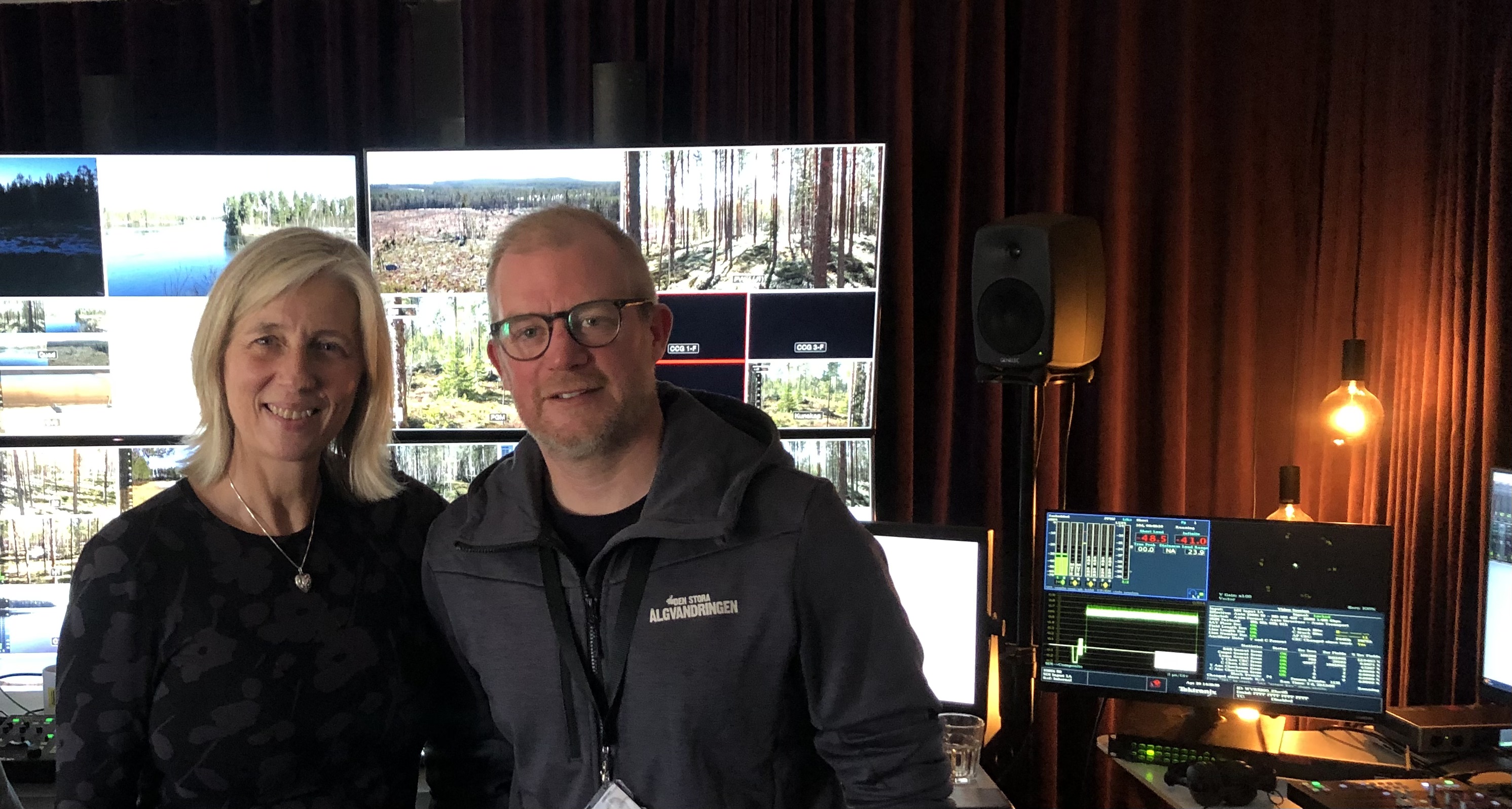
Annette Hill and Johan Erhag
The Great Moose Migration
The Great Moose Migration is an uncommented nature programme that shows moose and other animals in Ångermanland live, around the clock, for several weeks in the spring. The programme has been broadcast annually since 2019 and has received several awards and many viewers. For thousands of years, the moose have migrated along the same paths to reach the rich summer grazing grounds.


